YOUNG MOMENTS
NEWSLETTER
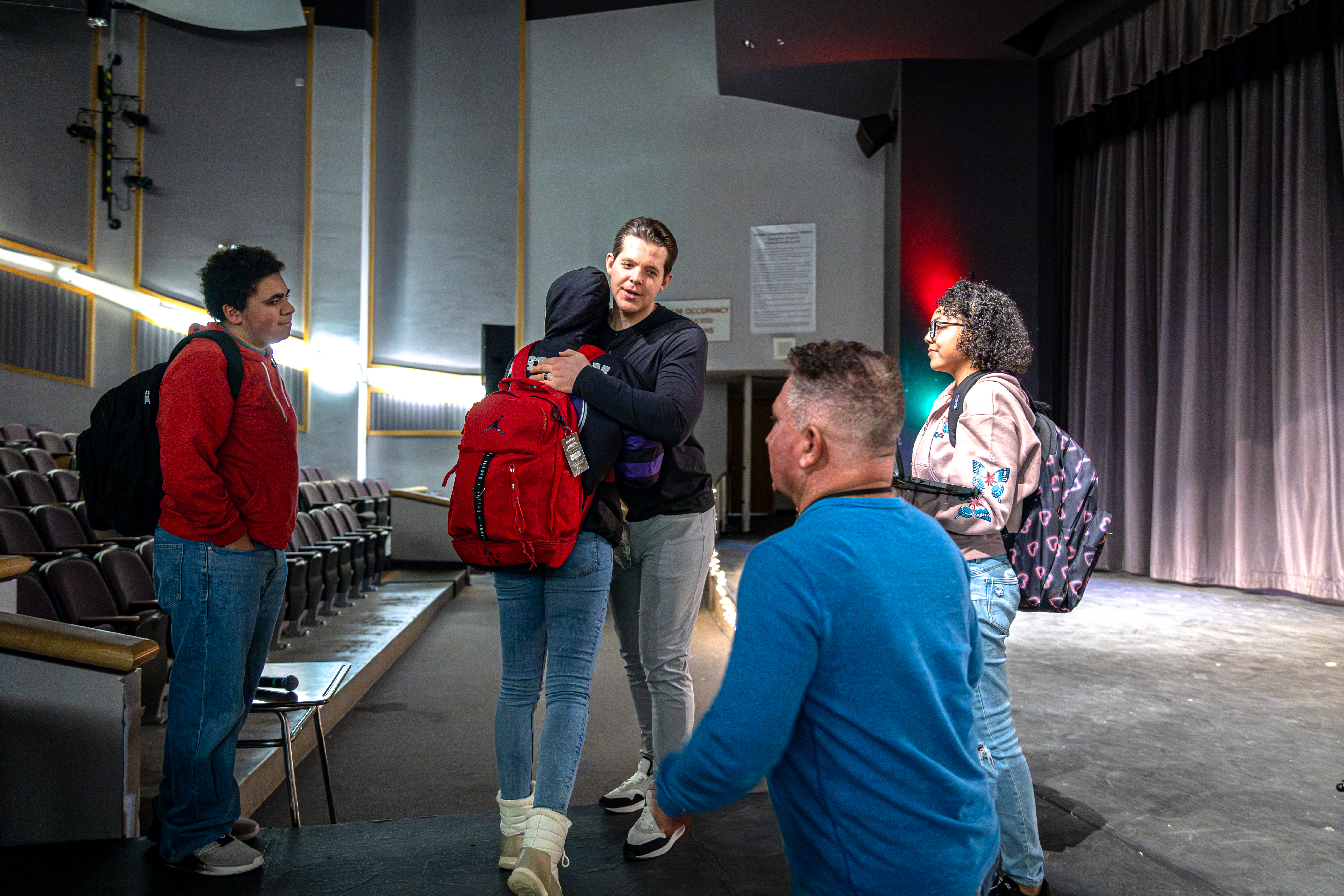
Stephen Hill connecting with a student after a school assembly at Amsterdam High School in New York.
ANOTHER 'BREAKING NEWS' DEADLY DRUG HITS THE STREETS. NOW WHAT?
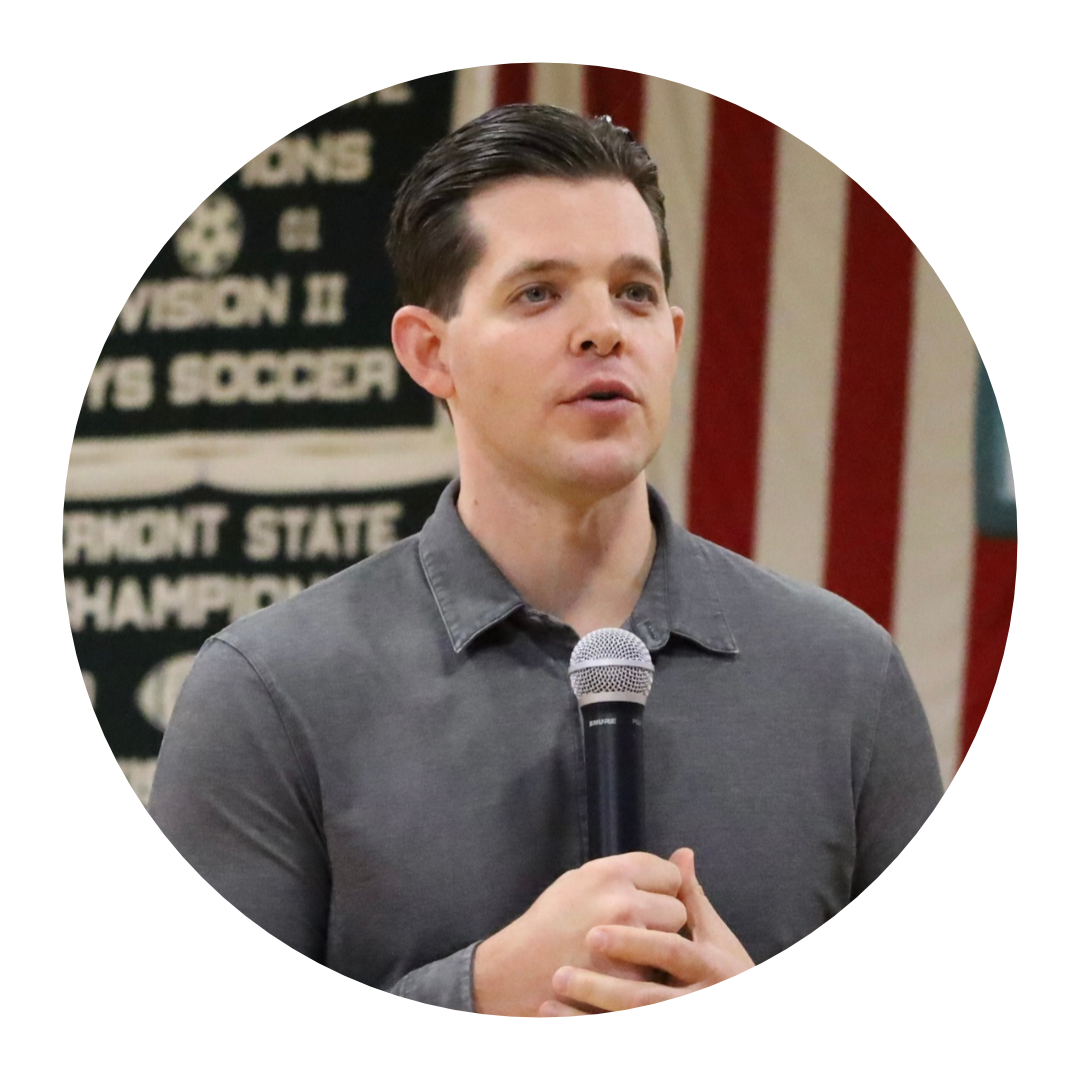
Stephen Hill, J.D.
October 13, 2026
Cyclorphine. Kratom. 7-OH. Fentanyl. Carfentanil. Xylazine. Pink Cocaine. Meth 2.0. Bromazepam. Four Loko. Delta 9 THC. The list goes on.
Another drug. Another alarming headline. Another warning about a supply that grows more unpredictable and dangerous by the day.
But while we race to identify the next lethal substance, what actually changes about practical prevention when the next new deadly drug emerges? The answer: Very little. Sometimes nothing.
When the substance changes, the underlying reasons many young people start using drugs or alcohol in the first place often don't.
Peer pressure, fear and anxiety, isolation and the lies youth tell themselves, difficulty managing and processing emotions, desperate need to fit in, misinformation, misperception of harm from watching older friends and even parents using substances, and the false belief that “everyone is doing it” don't disappear or change with the next breaking news alert.
When the next deadly drug emerges, yes, we should notify the general public about it. We should continue to have conversations about how dangerous the drug supply really is and use teachable moments to emphasize the point.
But what is more important, starting over with another new awareness campaign for a specific substance or building and strengthening prevention skills that remain essential regardless of what substance makes the headlines? I believe the latter.
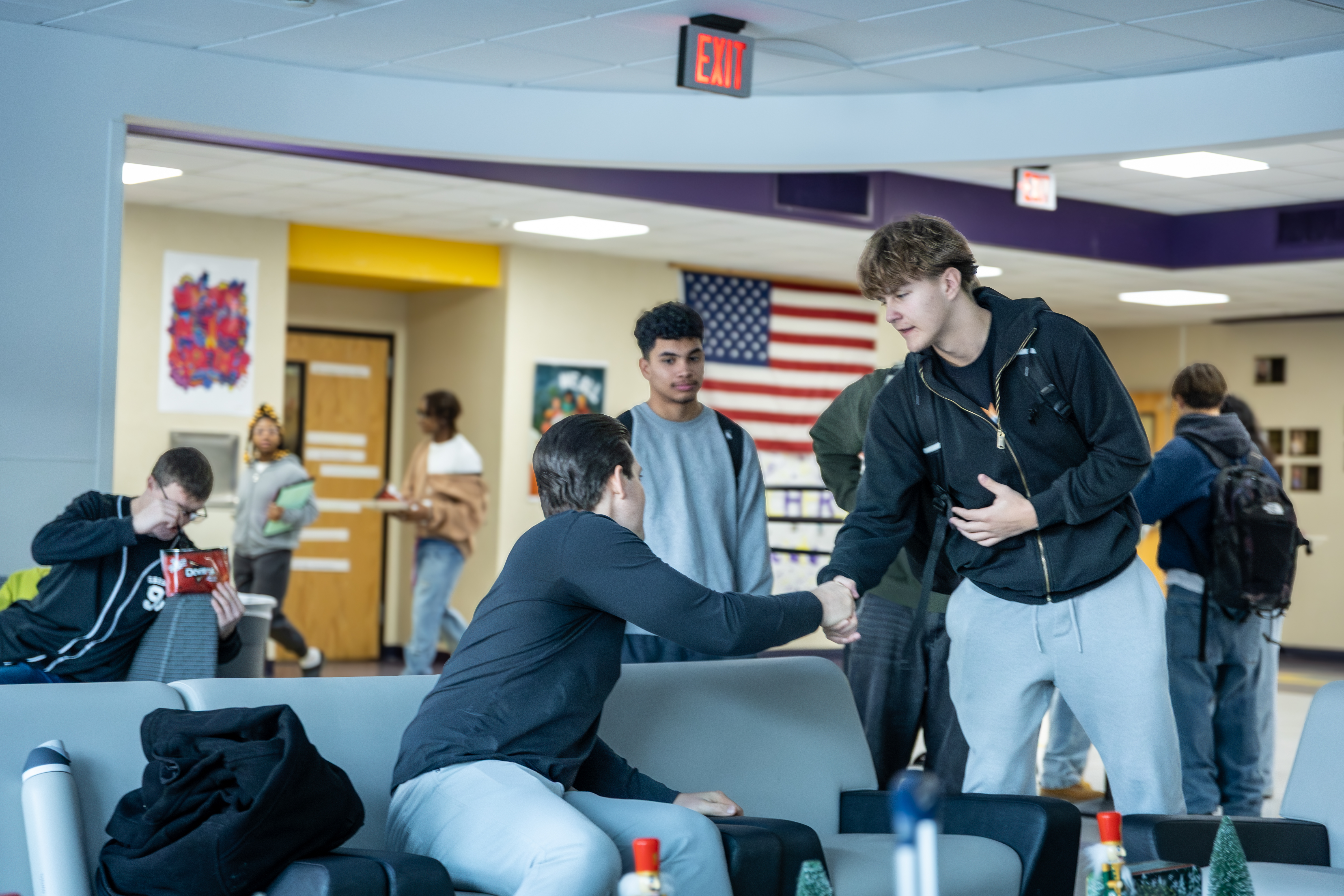
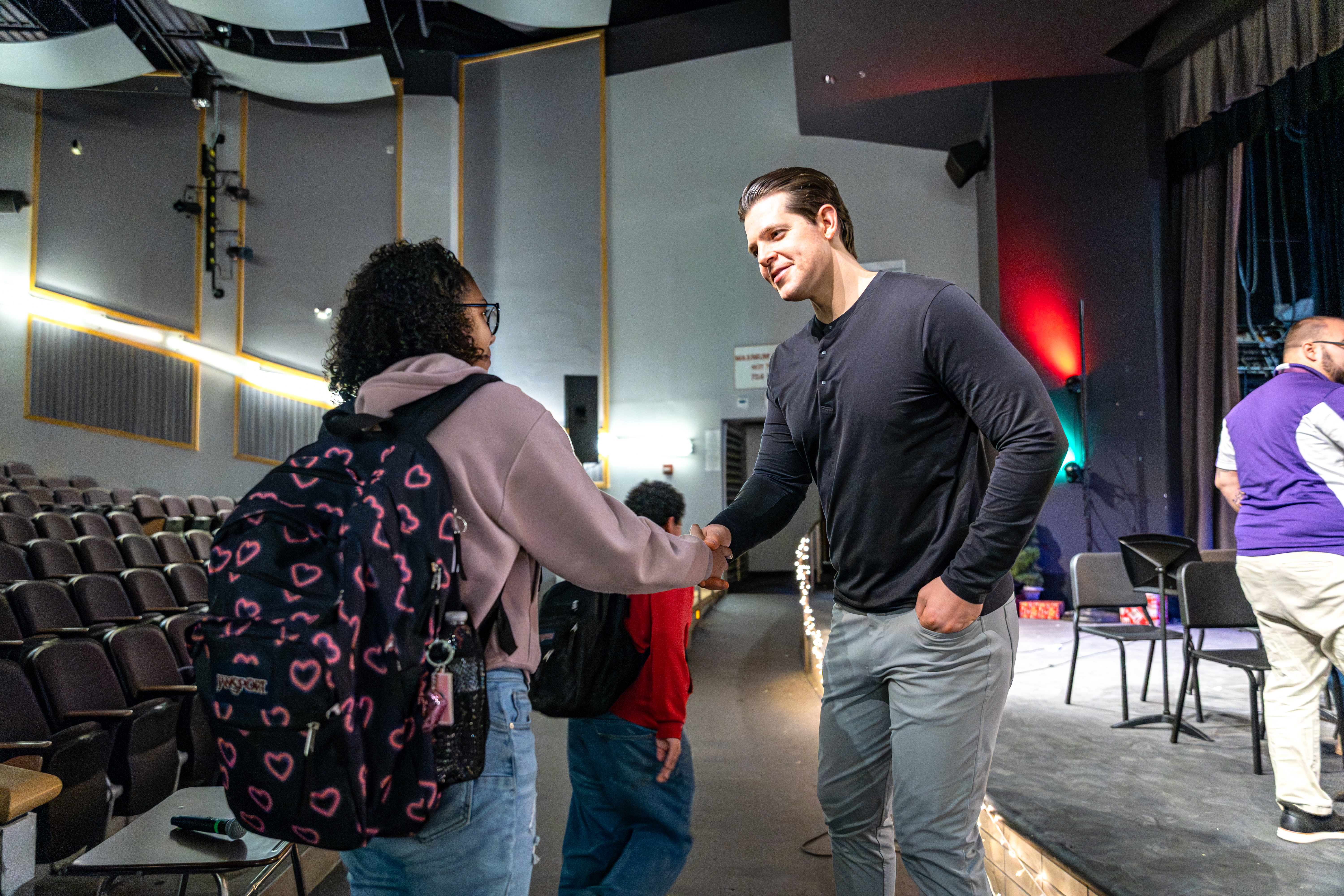
Young people will always need help navigating peer pressure, negative influence, and temptation. I am in a school almost every day speaking with students. Based on my 11 years of experience as a youth speaker presenting for over 1,100 schools and coalitions in 35 states across the country, what youth need the most comes down to one word: Connection.
Connection is a critical protective factor in prevention—connection to peers, trusted adults, community, ourselves, and something greater than ourselves that gives us purpose and belonging.
Schools and supporting coalitions bring in my assemblies, breakout sessions, and focus groups to create meaningful opportunities for young people to feel genuinely heard, valued, and supported.
I connect with youth to help them silence peer pressure so they can boldly set their standard, confidently refuse substances, and mindfully build a life worth defending.